
The Past Returns
Hallowe'en PartyThe novel’s present murders become legible only when Poirot reconstructs older deaths, concealed motives, and a witness’s memory that seemed meaningless when it first formed.
increasing Bearing strength in each event
 decreasing
Bearing strength in each eventdecreasingA Murder Remembered
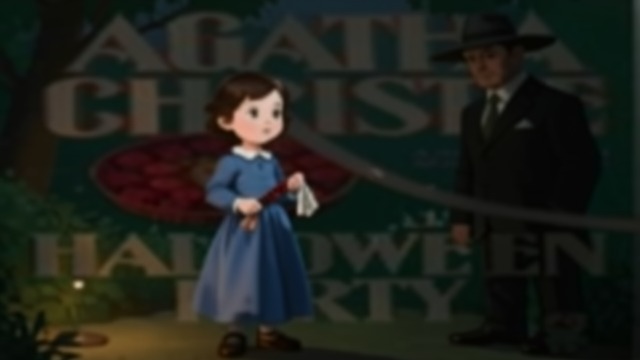
A Memory Without Meaning
The Earlier Scene
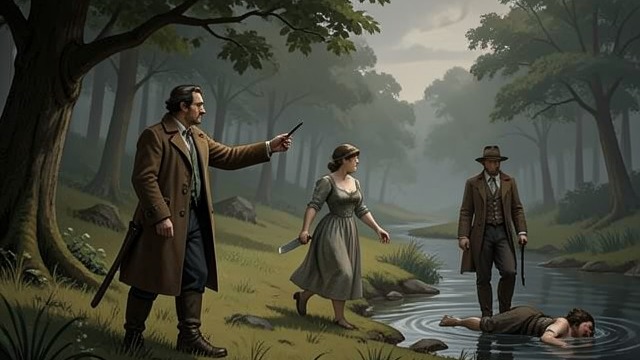
As a young child in the Quarry Garden, Miranda Butler watches Rowena Drake and Michael Garfield carry a wounded woman along a path. She sees blood and a knife but, frightened and unsure, supposes there may have been an accident.
The Delayed Recognition
Miranda says nothing, and the sight recedes from her conscious attention. Only after she later hears the pair discussing an island, in language that recalls their earlier warning about being watched, does the old scene return with a different meaning.
The past survives here not as a complete explanation but as an image awaiting context. The novel treats memory as something that can remain dormant until later experience supplies the knowledge needed to interpret it.
Janet White’s Unsolved Death
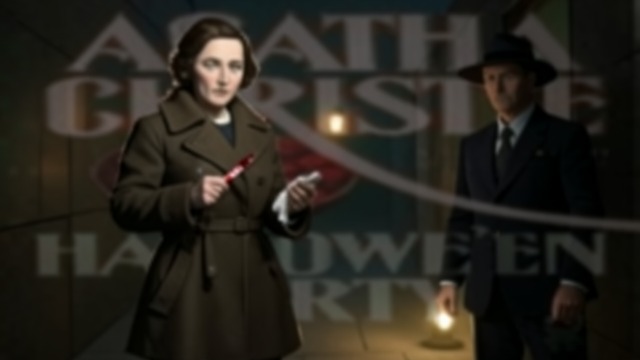
An Earlier Unanswered Crime
The Lane Murder
Janet White, a teacher at The Elms, was strangled on a lane while walking home. Her friend and housemate Nora Ambrose had mentioned a threatening former suitor, but the police never established who killed White.
A Possible Connection
Hercule Poirot considers whether a child might have seen a struggle without understanding it. The timing could fit Joyce’s recollection, yet the case does not yield a confirmed link, and Poirot continues testing other old deaths rather than forcing the theory.
The unsolved crime broadens the meaning of Joyce’s claim: an old act of violence might return through a witness who lacked the maturity or vocabulary to recognize it at the time.
The Disputed Codicil
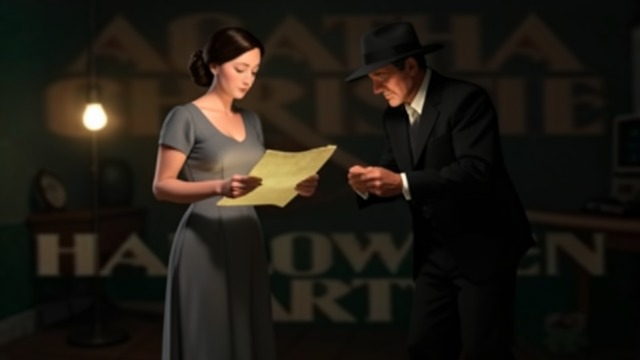
A Past Estate Dispute
The Inheritance Change
After the death of Mrs Llewellyn-Smythe, a codicil appears to leave her fortune to Olga Seminoff. The family’s lawyers conclude that the document is forged, and the scandal gives the neighborhood a ready explanation for Olga’s abrupt disappearance.
What the Dispute Conceals
Poirot discovers that Harriet Leaman remembers witnessing a genuine codicil, while the paper actually submitted for probate was a different, forged document. The distinction turns a settled local story into evidence of a more deliberate deception.
An earlier dispute over money becomes essential to understanding the later murders: its unresolved facts supply the motive, the scapegoat, and the reason the perpetrators feared that someone had seen them.
The Disappeared Woman
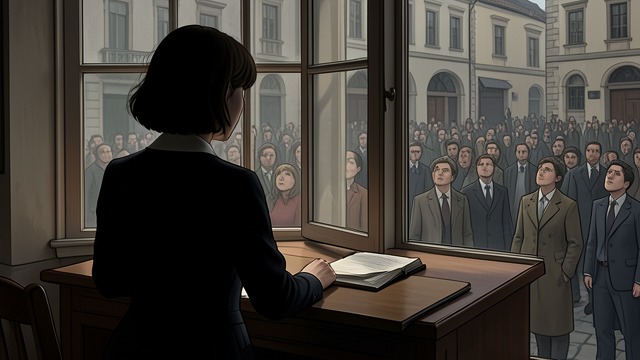
Absence as Evidence
The Official Story
When the forged codicil is challenged, Olga Seminoff vanishes. Residents assume she has fled overseas to escape prosecution, while the disappearance helps make her appear responsible for the forgery and the old woman’s death.
A Buried Explanation
Hercule Poirot refuses to treat disappearance as proof of flight. Mrs Goodbody’s nursery-rhyme reference to a cat in a well, joined with Miranda’s interest in a sealed well, directs attention to the Quarry Wood and the possibility that Olga never left the area alive.
The past does not simply return through memory; it also returns through absences that a community has explained away too quickly. The vanished woman’s fate exposes how an untested story can protect the people who made her disappear.
The Crimes Converge
Old Violence in the Present
A Connected Pattern
Poirot links the false codicil, Olga’s disappearance, Lesley Ferrier’s stabbing, and the later murder of Joyce. The old crimes were not isolated local tragedies: they formed a chain of actions designed to secure money, eliminate witnesses, and keep a concealed killing from being understood.
The Present Reopened
Joyce’s murder and Leopold’s death show that the original violence remains active. When Leopold appears to have discovered something and demands money, the same need for secrecy leads to another drowning; the threat is stopped only when the investigation recognizes the past as the engine of the present.
The novel’s time structure makes remembrance a matter of public safety. Unresolved crimes do not stay behind their dates; they continue to shape choices and endanger those who come after them.
During party preparations, years after Miranda’s first sighting
About two and a half years before Joyce’s murder
Nearly two years before Joyce’s murder
After the forged codicil was challenged
Near the investigation’s conclusion
